Problems this covers
- Drains that block again and again
- Damp patches or soft ground near a drain run
- A house purchase where the drains are unknown
- Checks after a repair or a clear-out
- Pipes with no map or no records

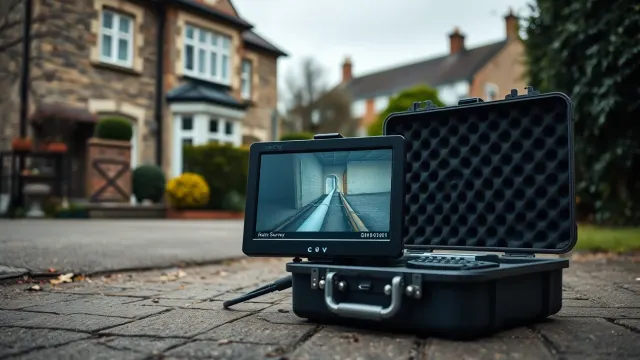
A CCTV drain survey sends a small camera along the inside of a pipe. The engineer watches the picture and can record the footage. Because you can see the fault, you can agree the next step with facts. This avoids guesswork.
Surveys help with several jobs. They can trace why a drain keeps blocking, check a pipe after repair work, or look at a house before you buy it. They can also find the route of a pipe that nobody has mapped. For example, a survey can show where a hidden run meets the main drain.
A good report is clear about what it shows. Ask for notes on each fault, its position and how serious it is. Photos or video clips help too, since you can show them to a surveyor or a buyer. Ask what the report includes before you book.
Two common uses have their own guides. Pick the one that fits your case. Read about pre-purchase drain survey and drainage investigation.
Looking for local details? Try the pages for cctv drain surveys in Kingsbridge, cctv drain surveys in Liskeard or cctv drain surveys in Plymouth, since each one covers its own town. Pages for all nine towns sit at the foot of this page.
Buying a home? This guide explains why a drain survey can matter. Read Why Home Buyers Should Consider a CCTV Drain Survey for more, since it goes into more detail. It uses plain words.
It shows the inside of the pipe. That can include cracks, roots, displaced joints, scale and blockages. However, it cannot show parts of the drain that the camera cannot reach. Ask the engineer what they could not check.
It is worth asking, because drain faults can be costly to fix. A homebuyer's report may not look inside the pipes. Ask your surveyor what it covers. Then decide if a camera check adds value.
No, the camera enters through existing access points such as chambers or gullies. Digging only comes up if a fault needs repair, although that is a later step. The engineer should explain the options before any work starts.