Problems this covers
- Slow drains in a sink, bath or shower
- A toilet that fills up or flushes weakly
- Gurgling pipes or smells from a plughole
- Water pooling around an outside gully
- More than one fixture backing up at once
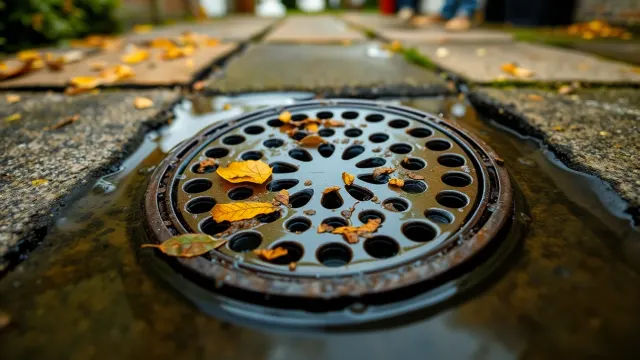
A blocked drain rarely clears by itself. Water drains slowly, a toilet gurgles, or a bad smell hangs near the sink. Since the cause can sit in one fixture or a shared pipe, note which taps and toilets show the problem. This detail helps the engineer find the spot.
Most blockages build up from daily waste. Fat, hair, wipes and paper stick to the pipe wall and narrow the gap. However, roots and cracked joints can also stop the flow, so the cause is not always clear. A camera can show what a plunger cannot.
A drainage engineer usually starts by finding where the water stops. Then they pick a method to suit the pipe, such as rods, a plunger or a water jet. If the problem keeps coming back, a camera check can show why, because the pipe may have damage. Ask the engineer to explain the cause in plain terms.
Each fixture blocks in its own way because the pipes differ. Pick the guide that fits your problem. Read about blocked toilet, blocked sink and blocked bath & shower.
Looking for local details? Try the pages for blocked drains in Saltash, blocked drains in Plympton or blocked drains in Tavistock, since each one covers its own town. Pages for all nine towns sit at the foot of this page.
Not sure how serious your problem is? This guide lists the warning signs. Read 7 Warning Signs You Have a Blocked Drain for more, since it goes into more detail. It uses plain words.
Fat, hair, wipes and paper cause most blockages. Roots, cracked pipes and shifted joints cause others. If a blockage keeps coming back, a camera check can show the cause, because clearing alone may not fix a damaged pipe. Ask what the engineer found.
Chemical cleaners may shift a small blockage, but they do not suit every pipe. They can harm old pipework and seals. Read the label and never mix products. However, if the blockage stays, ask an engineer rather than adding more.
That depends on whose pipe it is. Since 1 October 2011, shared drains and lateral drains beyond your boundary belong to the water company. The pipe within your boundary that serves only your home stays yours. Ask the engineer which section has the blockage before you agree to pay.