
Kitchen drains take a lot of daily wear. Cooking fat, food scraps and soap all end up in the sink. Because the pipe is narrow, small habits make a big difference.
Why kitchen drains block
The main culprit is fat, oil and grease. While it is hot, it runs down the pipe as a liquid. As it cools, it turns solid and sticks to the pipe wall.
Food scraps then catch on the fat, and the pipe slowly narrows. Because the build-up is slow, you may not notice it. Then one day the sink stops draining.
Daily habits that help
Keep fat out of the sink
Fat is the biggest risk, so this habit matters most. Let cooking oil cool, then scrape it into the bin. Pour larger amounts into a sealed container, since a sealed container stops spills. Check your council's guidance for used cooking oil.
Use a sink strainer
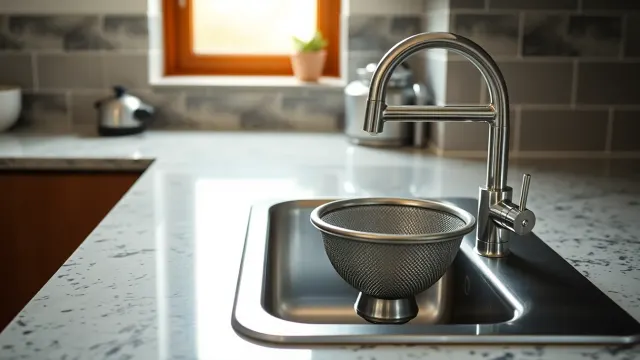
A cheap mesh strainer catches food before it enters the pipe. Empty it into the food waste bin after each use. Because the strainer does the work, less food reaches the drain.
Scrape plates first
Wipe plates and pans with paper before you wash them. Then less food reaches the sink. This also helps if you have a waste disposer fitted, although it will not stop fat.
Rinse with hot water
After you wash greasy pans, run hot water for a short while. It helps push loose residue along the pipe. However, hot water alone will not shift fat that has already set.
Weekly and monthly care
Once a week, pour a kettle of hot water slowly down the sink. If you have plastic waste pipes, check the maker's advice on hot water first. This keeps light grease moving, while heavy build-up still needs an engineer.
For a monthly refresh, some people use bicarbonate of soda and vinegar. Since it only freshens a drain, it will not clear a solid blockage. Follow these steps if you want to try it:
- Pour half a cup of bicarbonate of soda down the drain
- Add half a cup of white vinegar
- Wait 15 minutes while it fizzes
- Flush with hot water
What to avoid
Some common habits make blockages more likely, although they seem harmless. Check the list below before your next wash-up:
- Chemical drain cleaners: they may shift a mild blockage, but strong products can harm some pipes, so read the label
- Coffee grounds: they clump in the pipe and add to a blockage
- Flour and starchy food: they can turn into a thick paste
- Eggshells: small pieces can catch other debris
When to ask an engineer
If the sink drains slowly despite these habits, there may be a deeper fault. A CCTV drain survey can show the cause. Drain jetting can then clean the pipe walls, while a repair may fix a damaged section.
If a sink will not clear at all, see the blocked sink page. Ask the engineer for a written quote before work starts. Ask what the work covers too, because it avoids surprises.
Related guides
Slow water is often the first clue, so read 7 warning signs of a blocked drain. To compare ways of clearing a pipe, see drain jetting vs drain rods. However, no guide replaces an engineer's look at your own pipes.
Find your local page
Each town has its own page, since drain services are listed by area. In Saltash, start with the Saltash page. In Tavistock, see blocked drains in Tavistock.
Liskeard has a page for blocked drains in Liskeard as well. You can still browse all drain services or the areas covered.
Send a request online and say which sink is slow. Add your town, because it helps the engineer plan.