There are two main ways to clear a blocked drain. One uses drain rods, and the other uses high-pressure water jetting. Each has a place, because the right tool depends on the blockage.
Drain rods
Drain rods are flexible rods that screw together. You push them into the drain and add a fitting at the end. Then you twist and push, while the fitting breaks up the blockage.
Where rods work well
- Low cost: rods are cheap and easy to buy
- Simple to use: basic care is enough for a loose blockage
- No power needed: you can use them almost anywhere
- Good for simple blockages: they suit loose debris near an access point
Where rods fall short
- Limited reach: rods can only go so far along the pipe
- Debris can move: you may push the blockage further in
- Risk of damage: rough use can crack an old pipe
- Hard work: a tough blockage takes a lot of effort
- Dirty pipe walls: rods do not clean the pipe
High-pressure water jetting
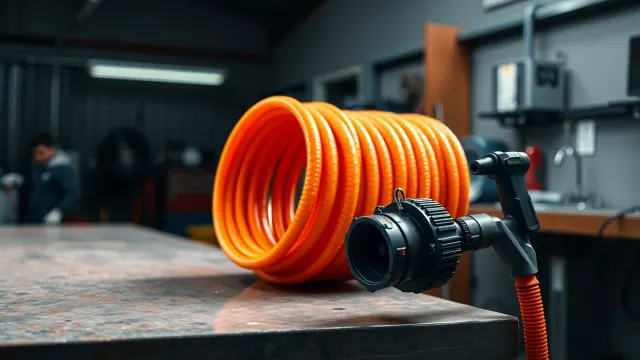
Jetting uses a pump and a flexible hose. A nozzle at the end sends water out at high pressure. Some jets face forward to cut through the blockage, while others face back to pull the hose along and wash debris out.
Where jetting works well
- Thorough clearing: it breaks up the blockage and flushes it away
- Cleaner pipes: it can scour grease and scale from the walls
- Longer reach: the hose can travel further than rods
- Good for repeat blockages: clean walls give debris less to cling to
Where jetting falls short
- Needs equipment: it is not a job for the home toolbox
- Needs water: the machine uses a supply of clean water
- Costs more than rods: you pay for the machine and the skill
- Not right for damaged pipes: strong water can make a crack worse
Which method fits your problem?
The right choice depends on the blockage. Rods suit simple jobs, while jetting suits tougher ones. The lists below show the usual fits.
Rods suit
- A simple blockage you can reach
- A blockage near the access point
- A mild slow drain
Jetting suits
- A stubborn or repeat blockage
- Fat and grease build-up
- Tree roots in the pipe
- A fully blocked drain
- A commercial property
- Any blockage that rods cannot clear
Since homes and businesses have different needs, each has its own page. For work on a house, see domestic jetting. For a shop, a café or an office, see commercial jetting.
Questions to ask an engineer
Different engineers use different kit, so it pays to ask. However, you do not need to know the jargon. These questions are a good start:
- Which method will you use, and why?
- Can you check the pipe with a camera if the cause is unclear?
- What does the quote include?
- What guarantee covers the work?
Ask for a written quote before work starts, because that lets you compare offers. Also ask whether there is a call-out charge.
Think about the whole cost
Rods may look cheaper at first. However, they can leave a partial blockage, so it may come back soon. Rough use can also crack a pipe, and that can cost a lot to put right.
If a drain keeps blocking, the pipe may have a fault. A CCTV drain survey can show whether you need drain repairs. Know that before you pay for more work, since the fix may be different.
Related guides
To spot a blockage early, read 7 warning signs of a blocked drain. To keep a sink clear, see how to prevent blocked kitchen drains. Still, no guide replaces an engineer's check.
Find your local page
Each town has its own page, since drain services are listed by area. For Plymouth, see drain jetting in Plymouth. In Ivybridge, try the Ivybridge page.
Saltash has a Saltash page as well. Tavistock has its own Tavistock page. You can still browse all drain services or the areas covered.
Send a request online and say what you have tried so far. Add your postcode, because it helps the engineer plan.