Problems this covers
- Grease build-up in kitchen waste pipes
- Silt or scale in long drain runs
- Blockages that return after rodding
- Slow shared drains at a shop or office
- Smells that stay after normal cleaning

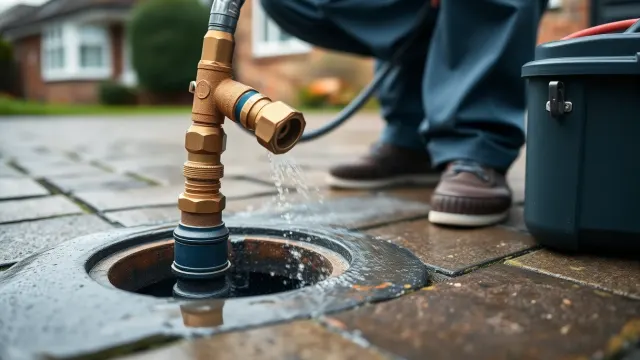
Drain jetting sends high-pressure water down a pipe through a hose and nozzle. The water breaks up grease, scale and silt, then flushes it away. It cleans the pipe wall, so it can leave a pipe cleaner than rods alone. Because of this, it suits pipes with grease build-up.
Jetting suits many jobs. Kitchen waste lines, shared drains and long outside runs all collect grease and silt. However, old or damaged pipe can crack under heavy pressure. The engineer should match the pressure to the pipe.
A camera check helps before or after jetting. It shows whether the pipe is sound and whether the blockage has gone. If the camera finds a crack or a root, jetting alone may not solve the problem. Still, the clean pipe makes the fault easier to see.
Homes and businesses use jetting in different ways. Pick the guide that fits your case. Read about domestic drain jetting and commercial drain jetting.
Looking for local details? Try the pages for drain jetting in Torpoint, drain jetting in Liskeard or drain jetting in Ivybridge, since each one covers its own town. Pages for all nine towns sit at the foot of this page.
Wondering how jetting differs from rods? This guide compares the two. Read Drain Jetting vs Drain Rods: Which Method Is Best? for more, since it goes into more detail. It uses plain words.
It can be, if the engineer lowers the pressure and picks the right nozzle. Cracked or collapsed pipes may not cope, however. Tell the engineer what you know about the age and condition of the pipe. A camera check can help too.
Rods push through a blockage, while a jet washes it away. Jetting also cleans the pipe wall. Rods can still be the better choice for a simple blockage in a small pipe. The guide on this page explains both.
There is no fixed schedule. Homes with a history of grease or silt may need it more often than others. Since every pipe differs, ask the engineer what suits yours. Keep a note of the date of each clean.