Problems this covers
- A slow sink, bath or shower
- A gully that overflows after rain
- Water backing up in a chamber or manhole
- A bad smell in the garden or yard
- Several fixtures draining badly at once

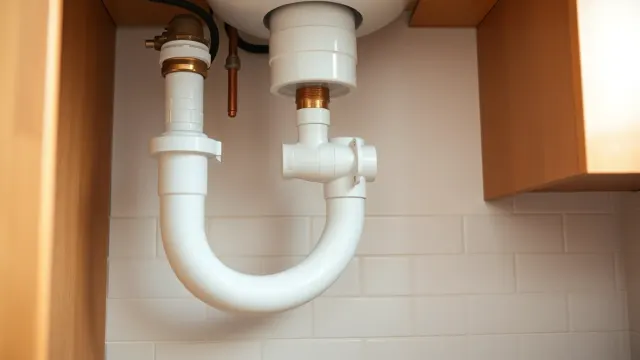
Drain unblocking means clearing a pipe so water can flow again. The pipe may sit under a sink or run beneath your garden. Because the two need different tools, it helps to know which one has the blockage. Check the signs before you send a request.
Inside, blockages form in traps and waste pipes. Soap, hair and food waste are the usual cause. Outside, leaves, silt and roots build up in gullies and chambers. As a result, a long run of pipe can block.
Look at which fixtures are slow. If only one is slow, the blockage is probably close to it. However, if several drain badly or a gully overflows, the blockage may sit further along the run. Say which ones you notice when you send your request.
Ownership matters for outside drains. Since 1 October 2011, shared drains and lateral drains beyond your boundary belong to the water company, which is South West Water in Devon and Cornwall. The pipe within your boundary that serves only your home stays yours, so ask the engineer which section has the blockage.
Inside and outside drains need different tools. Pick the guide that fits your problem. Read about external drain unblocking and internal drain unblocking.
Looking for local details? Try the pages for drain unblocking in Ivybridge, drain unblocking in Plymstock or drain unblocking in Torpoint, since each one covers its own town. Pages for all nine towns sit at the foot of this page.
Kitchen waste causes many blockages. This guide has daily habits that help. Read How to Prevent Blocked Kitchen Drains: A Practical Guide for more, since it goes into more detail. It uses plain words.
Look at where the water backs up. A slow sink or bath often points inside. A full gully or chamber points outside, while several slow fixtures can mean the shared run. Note which one you see.
Rods can clear a simple blockage. However, they can also push it further along or damage an old pipe. If you are unsure, stop and ask an engineer. Say what you tried when you describe the problem.
It depends on the pipe. A gully that serves only your home sits within your boundary, so you look after it. However, if neighbours share the pipe, the water company may own it. Ask the engineer who owns that section.